Introduction
Childcare is among one of the most satisfying professions, yet it includes its share of challenges. One of these challenges is guaranteeing a secure environment for youngsters. With the boosting number of children in instructional setups, understanding child care safety threats ends up being crucial. The obligation of teachers extends beyond teaching; it consists of creating a safe ambience where youngsters can find out and grow without anxiety of harm.
In this short article, we will explore different aspects of childcare safety hazards, concentrating on positive actions instructors can take. From first aid knowledge to case reporting methods, we intend to gear up teachers with the necessary tools and confidence to manage emergencies properly.
Understanding Child care Safety Hazards: Proactive Actions for Educators
Childcare safety and security threats can manifest in numerous forms-- physical dangers, health concerns, and emotional risks. Identifying these dangers is the primary step in mitigating dangers. Allow's break down some typical security issues.
Common Child care Safety Hazards
Physical Hazards- Slips and falls Sharp objects Unsafe playground equipment
- Choking incidents Allergic responses (e.g., from food) Spread of transmittable diseases
- Bullying or social isolation Inappropriate communications with adults
By recognizing these dangers, teachers can develop approaches to lessen risks.
Choking Avoidance in Children
Choking is among the most instant dangers that youngsters face, especially in day care settings where kids are susceptible to placing items in their mouths. Well-versed educators can assist prevent choking events by recognizing usual choking risks and executing reliable avoidance strategies.
Recognizing Choking Risks
It's necessary for instructors to identify foods that generally position choking risks:
- Hot dogs Grapes Nuts Hard candies
Educators must additionally be watchful about little toys or objects that might be aspirated.
Choking Avoidance Strategies
Food Preparation- Cut food into small pieces. Avoid serving difficult or rounded foods to young children.
- Always monitor children while they eat. Encourage slow eating routines and dissuade talking while chewing.
Epipen Management: What Educators Required to Know
Anaphylaxis is a serious allergy that can occur instantly and calls for instant intervention. Recognizing how to provide an EpiPen is crucial for anyone associated with child care settings.
Understanding Anaphylaxis Symptoms
Recognizing signs and symptoms early can conserve lives:
- Swelling of the face or throat Difficulty breathing Rapid heartbeat
Educators must familiarize themselves with these indication so they can act swiftly if needed.
Steps for Epipen Administration
Check the prescription label. Remove the EpiPen from its case. Inject right into the external thigh at a 90-degree angle. Hold for 3 seconds before eliminating it. Call emergency situation services right away after administration.Training on epinephrine auto-injector use need to become part of every childcare staff's first aid curriculum.
Managing Minor Wounds: A Guide for Educators
Minor injuries are typical in child care setups however need to be addressed quickly and effectively.
Types of Minor Wounds
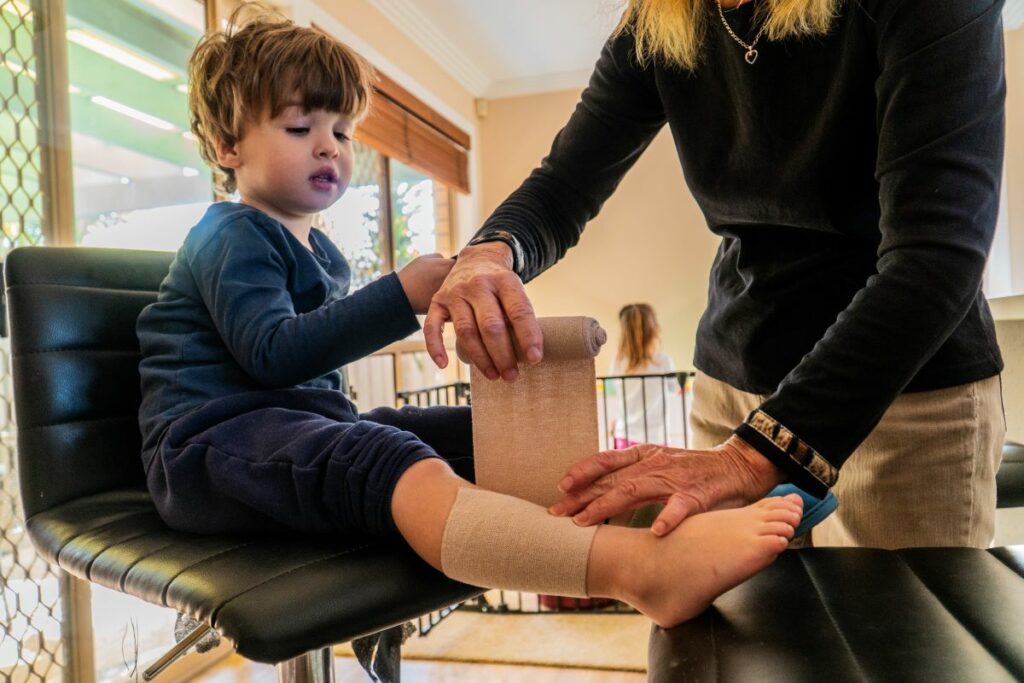
Cuts and Scrapes Bruises Burns (minor)Each kind calls for specific treatment protocols to make sure proper recovery and avoid infection.
First Aid Tips for Minor Wounds
Clean the wound with soap and water. Apply an antiseptic solution. Cover with a sterile bandage. Monitor for indicators of infection (redness, swelling).Educators should be furnished with a well-stocked emergency treatment package customized for childcare settings, that includes all needed products for small injury management.
Proper Hand Health Practices in Childcare Settings
Hand hygiene plays a crucial duty in protecting against illness transmission amongst children in instructional settings.
The Value of Hand Hygiene
Regular hand washing can dramatically reduce ailment prices amongst kids, keeping them healthy and balanced and prepared to learn.
Effective Hand Cleaning Techniques
CPR Courses Wollongong Wet hands with clean running water (cozy or cool). Apply soap and soap well. Scrub all surfaces consisting of in between fingers and under nails for at the very least 20 seconds. Rinse completely under running water. Dry hands making use of a clean towel or air completely dry them.Encouraging great hand health behaviors starts early; consequently, integrating handwashing methods right into day-to-day routines is essential for promoting long-lasting routines amongst children.
Child Defibrillation Support: Crucial Understanding for Educators
Sudden cardiac arrest might occur also amongst young people as a result of various factors such as hereditary heart problems or severe physical effort throughout play tasks like sports events or health club classes.
Understanding mouth-to-mouth resuscitation Basics
Knowing just how to do CPR on a youngster can make all the difference throughout an emergency scenario:
Call emergency situation services immediately. Start breast compressions at a price of 100-- 120 compressions per minute. Give rescue breaths after every 30 compressions (if educated).Training possibilities such as HLTAID012 offer first aid in education courses cover kid CPR procedures extensively, equipping teachers with necessary life-saving skills.
Utilizing AEDs (Automated External Defibrillators)
In many educational institutions today, AEDs are readily available on-site:
Turn on the device following voice prompts. Attach pads as indicated on the gadget picture guide. Allow AED to evaluate heart rhythm; comply with instructions offered by gadget sound cues.Every educator should recognize where AEDs are located within their center along with exactly how they operate-- this understanding might possibly conserve lives!
Building Educator Self-confidence Through Training Programs
Confidence plays Hop over to this website an essential role when replying to emergency situations within child care contexts! The more well-informed an instructor feels concerning their capacities-- the better prepared they are when faced with unanticipated events taking place around them!
Benefits of Constant Education Programs
Participation in recurring training programs guarantees that caregivers remain upgraded concerning ideal practices while getting beneficial brand-new abilities over time!

Key Locations Covered Include:
- First Aid Essentials Advanced Life Assistance Methods Mental Health and wellness Recognition
These topics foster self-assurance among team member leading them towards being much more proactive as opposed to reactive throughout situations scenarios occurring unexpectedly!
FAQ Section
Q: What does HLTAID012 provide?
Q: How typically need to emergency treatment training be renewed?
A: Renewal timelines vary based upon regional regulations but typically suggested every 3 years guarantees staff stay existing qualified appropriately keep competency levels called for delivering quality care trainees left their supervision!
Q: What things should be consisted of in a childcare center first aid kit?
A: A basic kit should include adhesive bandages, antiseptic wipes/sprays/gauze pads/tape/ice packs/pain alleviation medicines along with any customized tools required cater unique requirements particular population serviced like those allergic reactions handicaps etc.
Q: Exactly how do I acknowledge asthma symptoms?
A: Typical indications consist of coughing/wheezing/chest tightness/breathlessness; if believed constantly consult doctor quickly customized activity plans developed personalized scenarios each child!
Q: What are case reporting protocols?
A: Case coverage includes documenting information surrounding any kind of injuries accidents occurring within properties including names witnesses nature case corrective activities taken ensuring transparency responsibility future enhancements made appropriately avoid similar events occurring once more down line ...
Conclusion
Understanding childcare safety dangers is not almost conformity; it's about developing an environment where both youngsters and instructors really feel safe and positive browsing obstacles together! By using proactive steps like carrying out constant risk assessments/training team on a regular basis applying audio policies/procedures we can cultivate secure areas advertise healthy and balanced development growth among little ones entrusted our care!!
With expertise comes power-- empowering those functioning directly children improves lives greatly favorably influencing areas forming future generations inevitably leaving lasting traditions behind!!